
Ducted vs Split System: 5 Key Questions You Should Be Asking
Choosing between ducted and split system air conditioning usually comes down to one main thing: what you want your home to feel like.
Most Brisbane homeowners are looking for:
Even temperatures (no hot/cold spots through the house)
A system that suits how you actually live (not a one-size-fits-all quote)
Comfort in humidity (not just “cold air”)
Low running costs you can control (zoning, timers, room-by-room use)
Something that won’t trip circuits or need electrical rework surprises (switchboard/circuit readiness)
How to choose - the key questions:
1) How many rooms do you want to cool/heat?
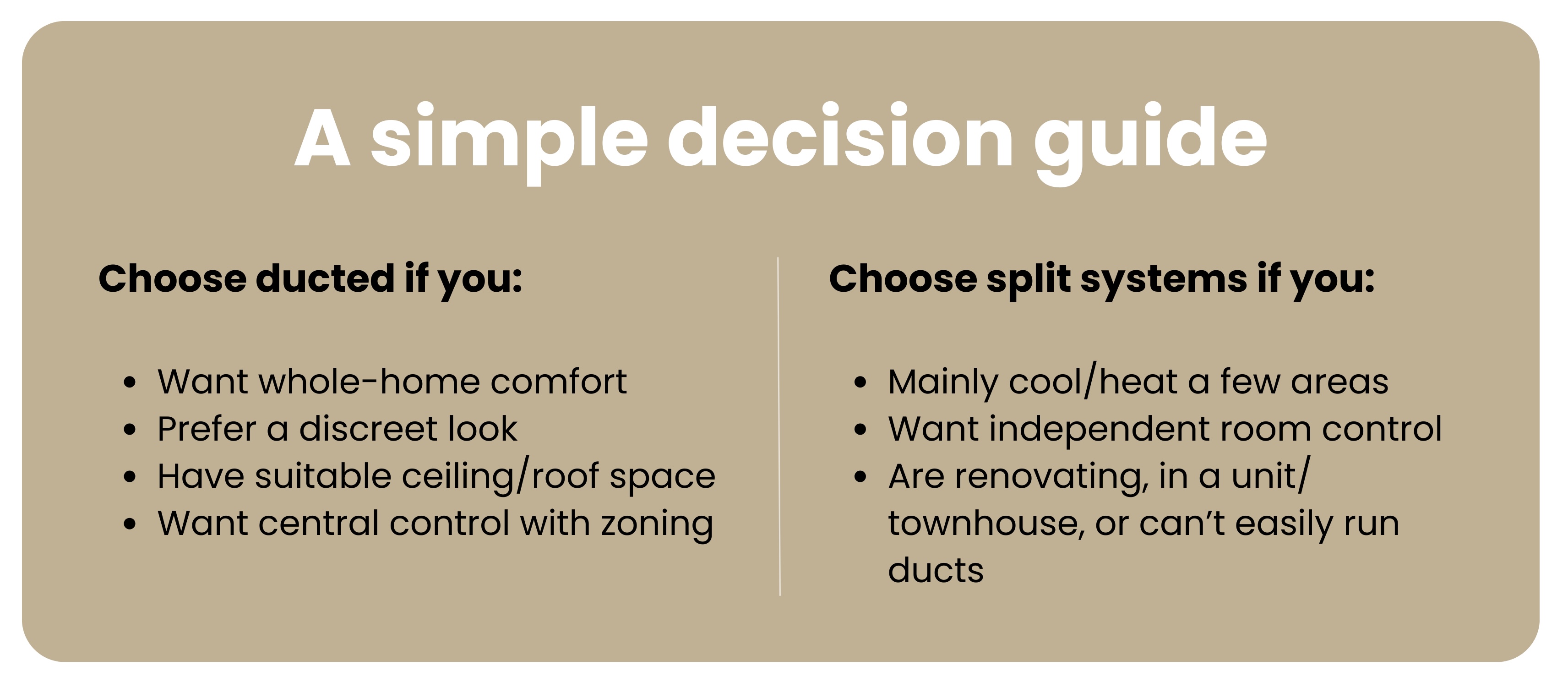
1–2 key areas (e.g., living room + main bedroom): a split system is usually
the simplest and most cost-effective.
Whole-home comfort across many rooms: ducted is typically the most seamless solution with clean, minimalistic appearance.
2) Do you want different temperatures in different rooms?
Splits give you natural “zoning” because each room has its own unit and controller.
Ducted can zone too, but it depends on the design (number of zones,
sensors and motorised dampers).
3) Install and running costs: which is cheaper?
INSTALL:
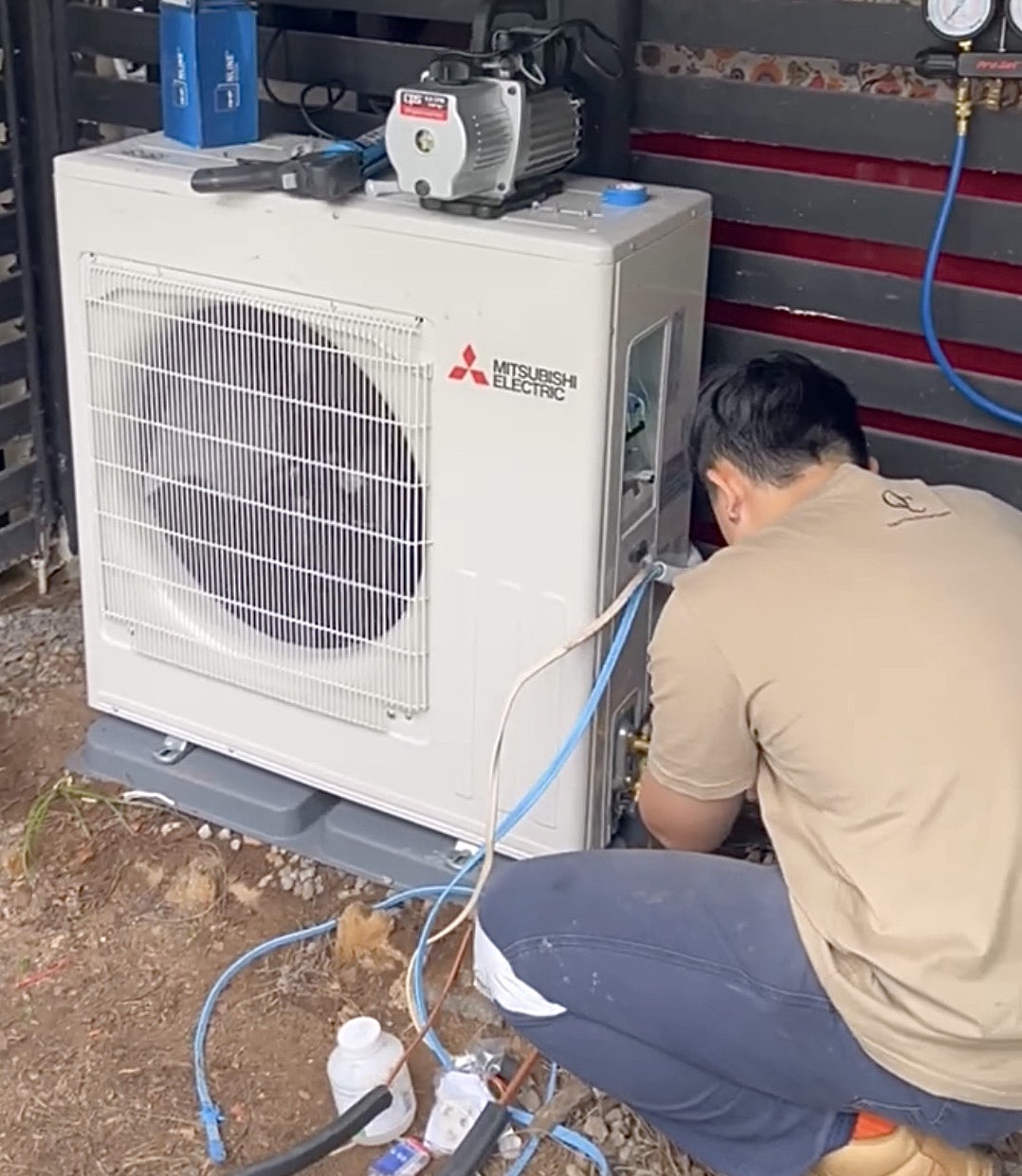
Splits often have a lower upfront cost for a single area, and you can add more later.
Ducted is usually a bigger upfront investment, but can be better value when you compare it to installing multiple split units across a larger home.
RUNNING:
Efficiency and running costs vary from home to home. It all depends on:
Insulation, glazing, and shading (very common pain-point in older Brisbane homes)
Room sizes and ceiling heights
Set temperature and how long the system runs
The energy efficiency rating of the unit(s)
Most importantly: how you use it (whole-home vs selective rooms)
General rule of thumb:
If you mainly condition one or two spaces, splits often win on running costs.
If you want consistent comfort across most rooms/whole property, ducted is more efficient, especially when zoning is designed and used properly.
A single ducted system operates more efficiently and requires less energy than ramping up multiple split systems.
4) Layout and roof access: can a system be installed in an established home?
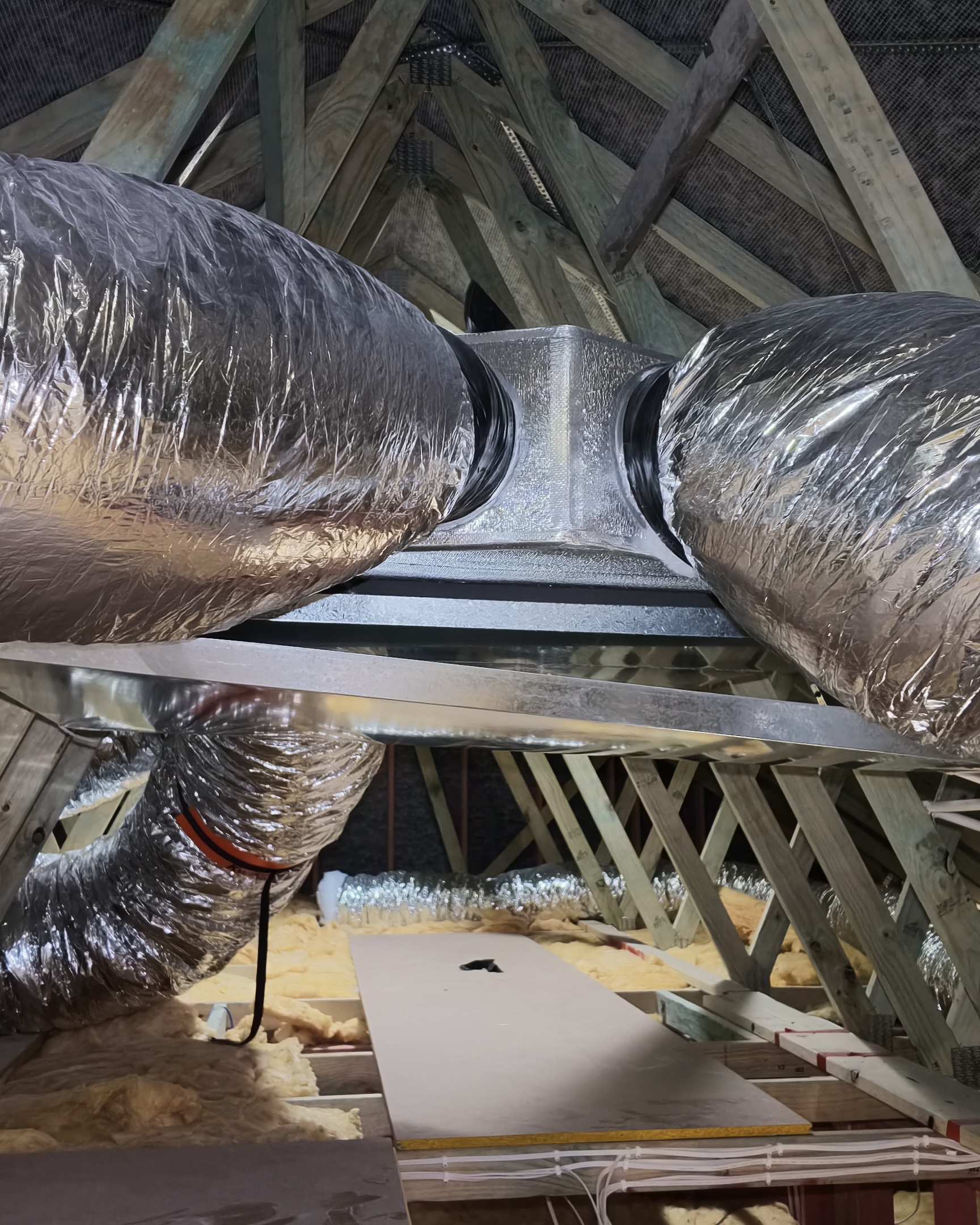
Ducted - There are a few things we will need to consider during a site inspection:
1. Roof cavity - size and access.
2. A run for the refrigerant pipe (pair coil) to run seamlessly from the indoor to outdoor unit, while maintaining desired property aesthetics.
3. If double storey - accessibility for "droppers" of duct to reach downstairs areas, for example: taking space from a linen cupboard or wardrobe.
Split systems can often be a good option for apartments, renovations and homes where installing ductwork throughout the property may be difficult or impractical. We’ll assess your home and recommend the system that best suits your layout.
5) How important are looks and noise?
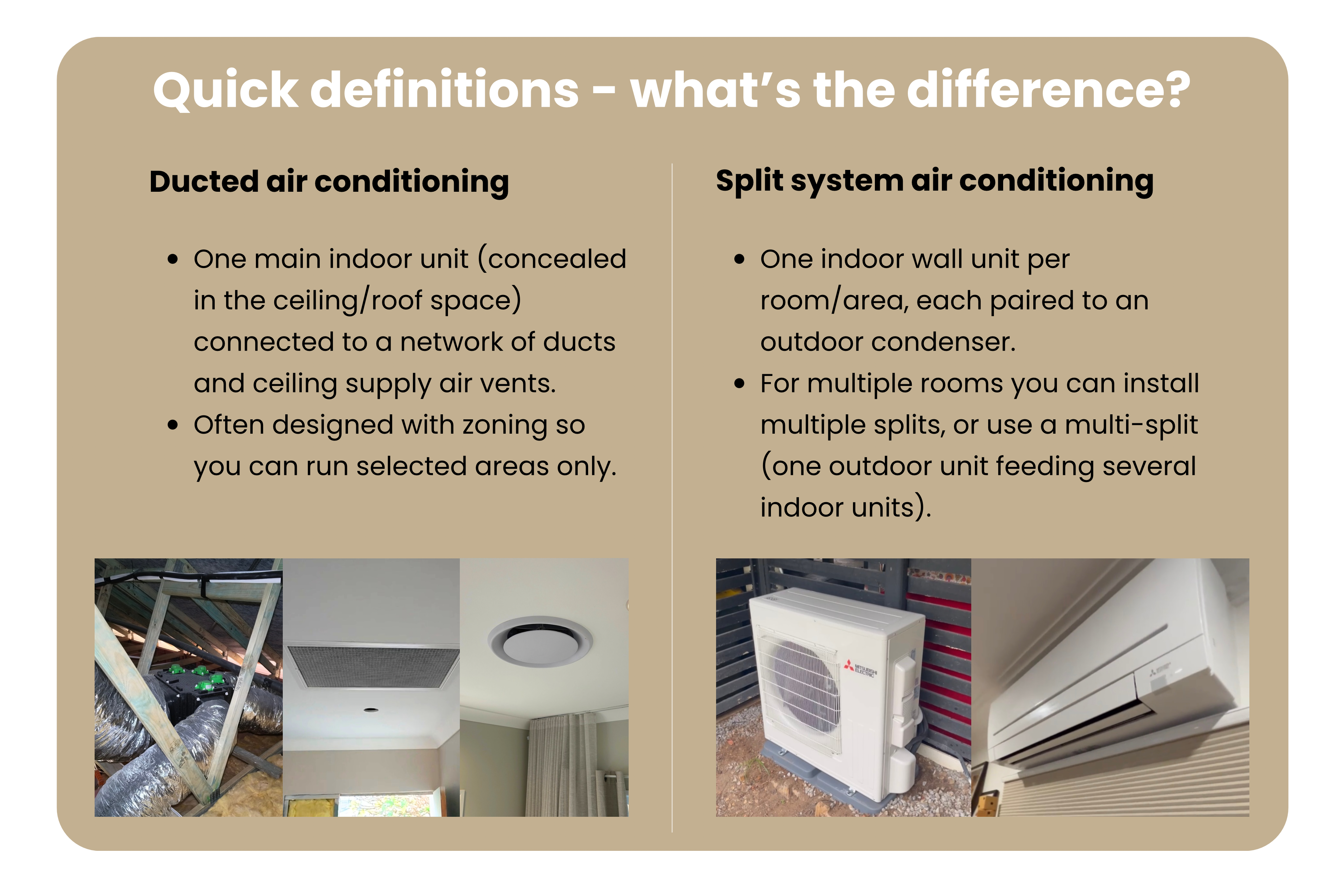
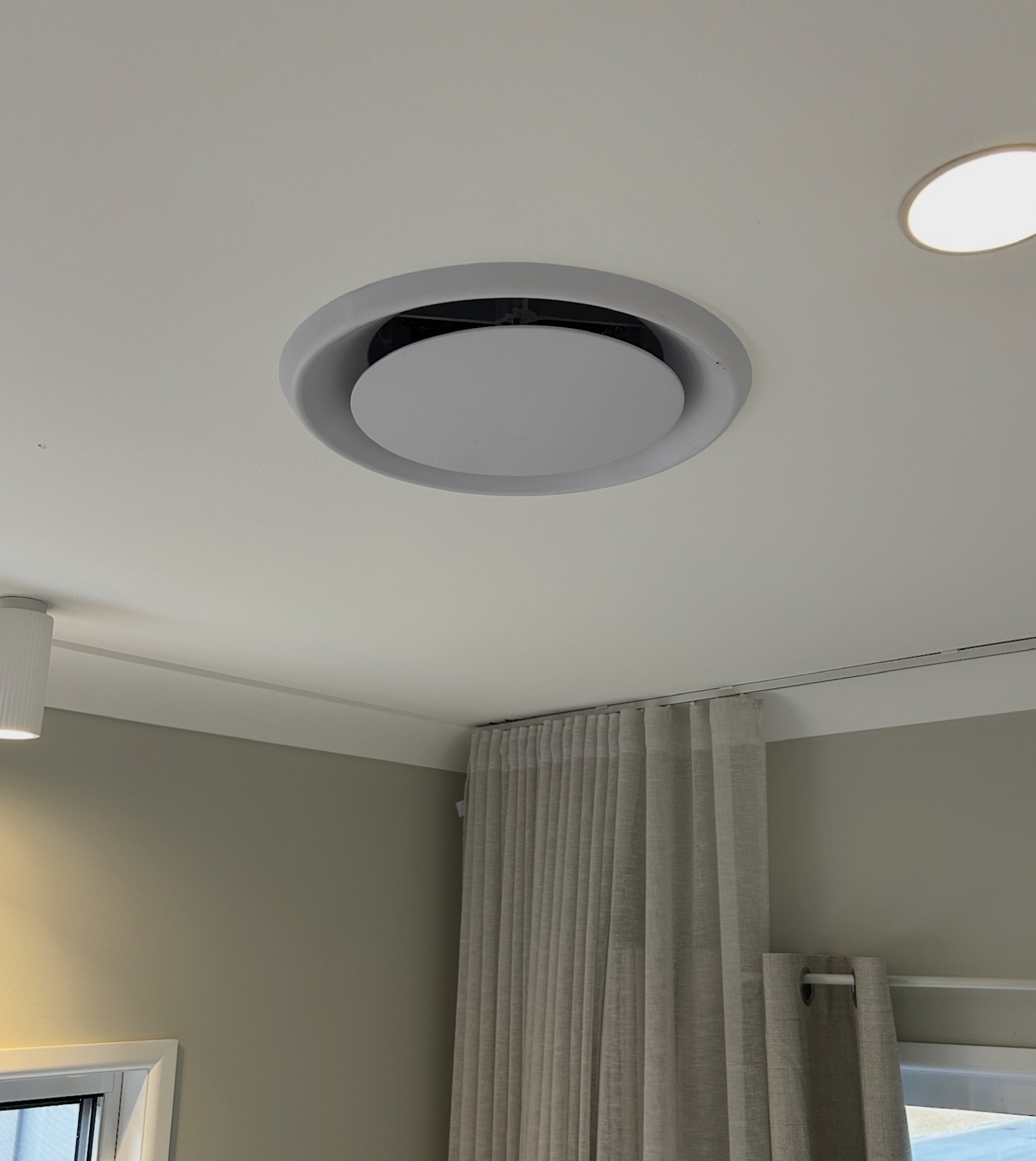
Ducted is the most discreet: typically only ceiling vents and a controller (or wall sensors) are visible. Ducted can be very quiet in rooms because the fan coil is concealed in the ceiling space.
Splits have visible indoor units mounted to a wall in each room. Noise can also depend on brand, model, and installation quality.
Compliance & regulations (Australia / Queensland)
When you’re comparing quotes, make sure the installer is talking in terms of compliance, not just “we can fit it in”.
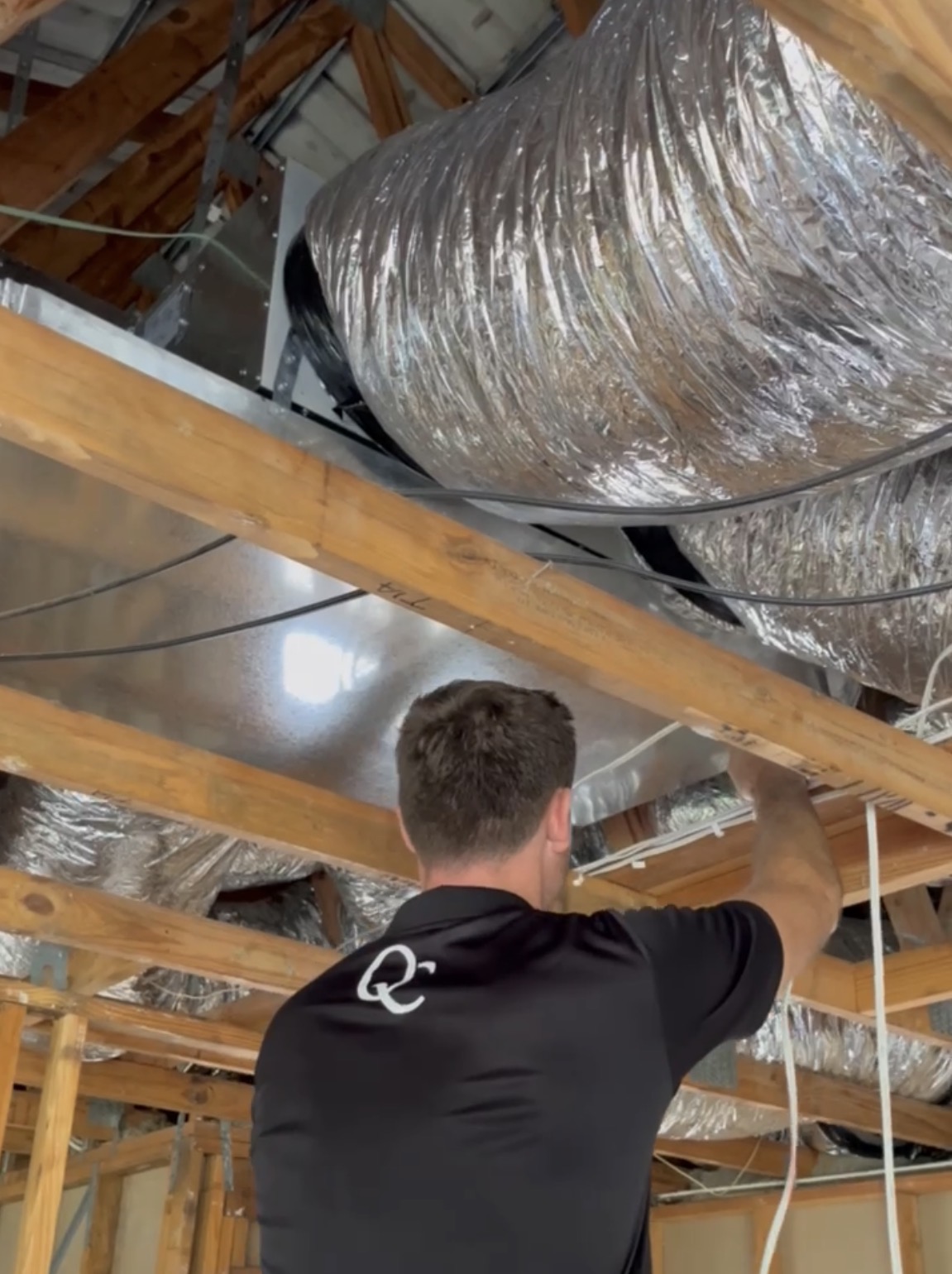
Electrical work must be done by a licensed electrician and meet AS/NZS 3000 (Wiring Rules).
Refrigerant work must be done by an appropriately licensed technician (look for ARCtick/ARC licence for handling refrigerant).
For larger systems or certain installations, you may need to consider Queensland building requirements and manufacturer specs around supports, condensate drainage, and weatherproofing.
Your outdoor unit may need to meet clearance and placement requirements (manufacturer instructions are part of compliance).

Here’s what QConnect will confirm and deliver for you:
A professionally designed and installed air conditioning system, with a strong focus on quality workmanship, thoughtful placement, efficient airflow and a clean finish that complements the home
Correct electrical connection and safety testing, completed by a licensed electrician
Refrigerant pipework and commissioning, completed by the appropriately licensed technician
Required electrical protections installed, including isolation, correct circuit sizing, and RCDs
Comfort tips that apply to both
Don’t oversize or undersize: correct capacity sizing is critical for comfort and humidity control.
Seal and insulate well: improving insulation can reduce aircon size and running costs.
Use zoning/scheduling smartly: condition rooms when you need them, not all day.
Keep filters clean: airflow = efficiency.
Have it installed properly: even the best brand can perform poorly with a rushed install.
Need help picking the right option for you?
If you’re unsure, the best next step is a site assessment, we can look at the layout, where you spend time, roof access, and electrical requirements. We will recommend a setup that suits your comfort goals and needs.